Phase I Habitat Survey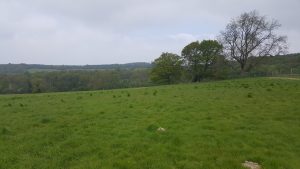
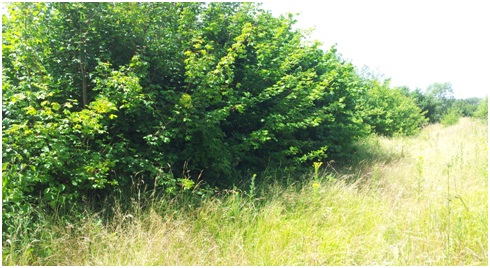
This survey is the baseline survey that is used to identify the habitats are present on a site, allowing the major habitat types to be mapped using the industry standard survey methodology (JNCC, 2010). It can highlight any evidence of protected or invasive species present on site. From this point forward, the surveyor can decide and advise whether any further, more specific surveys are required. Any habitats that are considered to be of significance to nature conservation are mapped and target notes are illustrated on a Phase 1 habitat map (Other more specific surveys may be required)
Extended Phase I Habitat Survey
Extended Phase 1 Habitat Survey follows the same methodology (JNCC 2010) but it consists of recording habitats and basic vegetation information for an area. Includes an assessment of the site for protected species. A list of dominant species per habitat type and highlighting particularly important features. The information obtained from the survey can be used to determine the ecological value of the site and to direct any more specific survey work which may need to be carried out prior to the start of work on site. Other surveys that may be required are such as present/absent survey for great crested newt, reptile or bat etc
Extended Phase I
Comprises two distinct parts one field survey and a desk-based.
These are:
- A desk study to search for records of any protected species or habitats within or nearby the proposed development
- A walkover of the site to assess any potential for protected species such as badger, great crested newts, bats (etc) and map the habitats present
The desk study includes purchasing data from the local biological records office and consultation of online sources such as Greenspace Information for Greater London CIC (GiGL), National Biodiversity Network, MAGIC and local authority websites.
Preliminary Ecological Appraisal (PEA)
PEA is usually required as part of the planning process; Local Planning Authorities require consideration of the conservation value of a site prior to any development. This involves undertaking a PEA, the survey follows industry standard methodology of CIEEM Technical Guidance. Any potential ecological constraints will be identified and recommendations made for any further surveys that are required
PEA is made up of two distinct parts, one field survey and a desk-based. These are:
- A walkover of the site to assess any potential for protected species such as badger, great crested newts, bats (etc) and map the habitats present.
- A desk study to search for records of any protected species or habitats within area and nearby
The reports produced will focus on details of the site surveyed includes the following information:
- Habitats present on site and their conservation value
- Potential species present and their important value
- Potential impacts of work on the species and habitats on site
- The planning policy issues that may occur that should be addressed
- The recommendations for additional habitat or protected species surveys and appropriate mitigation, compensation and habitat enhancement
Invasive or non-native species (listed on Schedule 9 of the Wildlife and Countryside Act 1981)
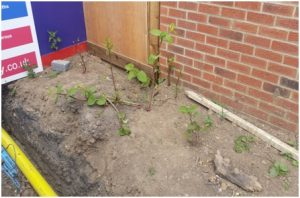
Invasive or non-native species can be a major problem on construction sites. If you are a landowner or a developer, you should know that there are legal implications associated with having these species on your site. The current legislation said you have the responsibility for ensuring that any invasive species which are your property do not spread outside boundary
We can advise and undertake site walkover survey to look for species
If you what to know whether you have invasive species on your site
The most important three species that we recommend surveying for are:
- Japanese knotweed
- Giant hogweed and
- Himalayan balsam and
- many others not listed here
we can carry out surveys to map the location and extent of these species, and offer the best mitigation advice to assist with eradication.