
It is often necessary to appoint an Ecological Clerk of Works (ECoW) where protected species are present on site. The ECoW advise you and your construction personnel on ecological receptors and protected species. Ensure compliance with ecological method statements. The presence of an ECoW can be extremely useful in identify where changes need to be made due to environmental considerations to preventing unintentional breaches of wildlife law.
We regularly provide ECoW services to development sites to survey for ecological receptors, safeguard impacts on ecological receptors and protected species on site. If necessary to supervise the site clearance, so that harm to ecological receptors and species can be avoided during construction work. An ECoW will move any protected species found out of harm’s way.
Our ecologists have extensively considerable experience in working closely and effectively with site contractors and project managers to advice, supervise or observe site works and have also attended the CIEEM Ecological Clerk of Works training course and hold Construction Skills Certification Scheme (CSCS) to allow safe and competent working on construction sites.
Protected species capture and removal
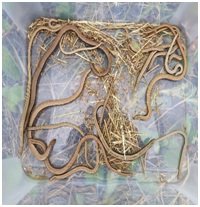
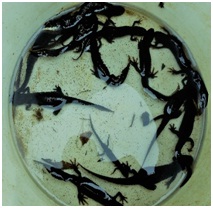
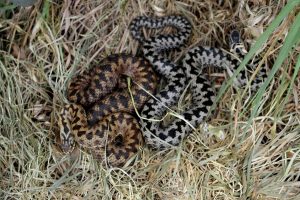
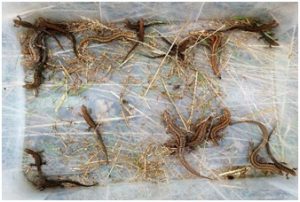
- Our ecologists are trained and have years of experience in reptile and great crested newt mitigation, surveying, trapping, handling, and safely translocate these species from the development site to the new receptor site.
- We have completed, dealt with reptile and newt translocation from small and large projects and aware of the proper methods of capturing these target animals
We are effective to quickly eliminate any protected species from your site to keep our client’s projects running on time while maintaining the most important part the protection of our wildlife
Mitigation works
Our mitigation services include:
- Carrying out translocations of reptiles, great crested newts, and other protected species from development sites
- Habitat manipulation to help with capture effort, this involves cutting or to reduce vegetation cover to deter animals from cleared areas
- Habitat creation and restoration works, such as ponds, hibernacula, and log pile creation
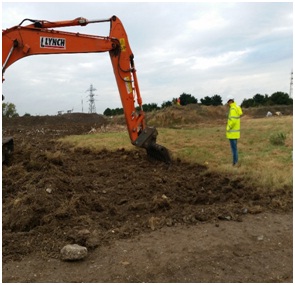
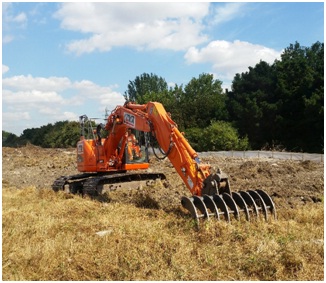
- Destructive searching – searching by hand or using excavators for reptiles and great crested newts, where trapping is completed but small numbers of animals remain
- Practical management works removal of vegetation to enhance areas for wildlife
- Installation of wildlife exclusion fencing and regular maintenance and removal
Mitigation works
Our mitigation services include:
- Carrying out translocations of reptiles, great crested newts, and other protected species from development sites
- Habitat manipulation to help with capture effort, this involves cutting or to reduce vegetation cover to deter animals from cleared areas
- Habitat creation and restoration works, such as ponds, hibernacula, and log pile creation
- Destructive searching – searching by hand or using excavators for reptiles and great crested newts, where trapping is completed but small numbers of animals remain
- Practical management works removal of vegetation to enhance areas for wildlife
Installation of wildlife exclusion fencing and regular maintenance and removal
Wildlife Fencing Services
Our fencing service include:
- Installation for newt or reptile temporary fencing
- On- going fence monitoring, record keeping
- On-going fence maintenance, to final removal
- Clearance of overgrown vegetation – to keep fence free
Pitfall traps installation and maintenance